
A veterinary clinic has something most service businesses would pay dearly for: a medically defined reason for the customer to return. Vaccines expire on a schedule. Dentals come due. A senior dog needs bloodwork every six months. The demand is recurring by prescription, not by marketing. Which makes it striking how much of it evaporates, quietly, between the reminder postcard and the phone call that never happens.
Compliance Is a Follow-Up Problem
When a due vaccine goes unbooked, the clinic reads it as a client decision. Usually it is not a decision at all. The reminder arrived once, on one channel, and life happened. The pet is not sick, so nothing forces the call, and the lapse persists until the pet is sick, at which point the visit is an emergency somewhere else.
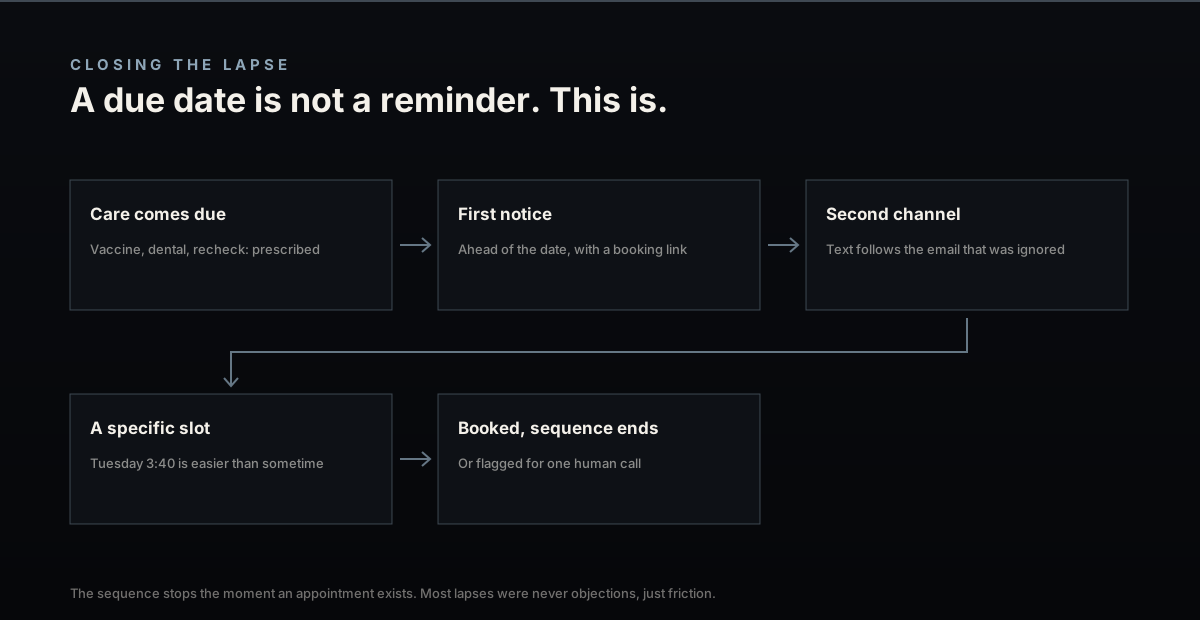
A reminder ladder treats the lapse as the system's failure to close, not the client's failure to care: a first notice ahead of the due date with a booking link, a second on another channel, a third with a specific offered slot. Each step is automatic, each ends in a tap that books, and the sequence stops the moment an appointment exists. Clinics that run this recover visits that were never objections, just friction.
The Booking Page Is Doing Triage Whether You Designed It or Not
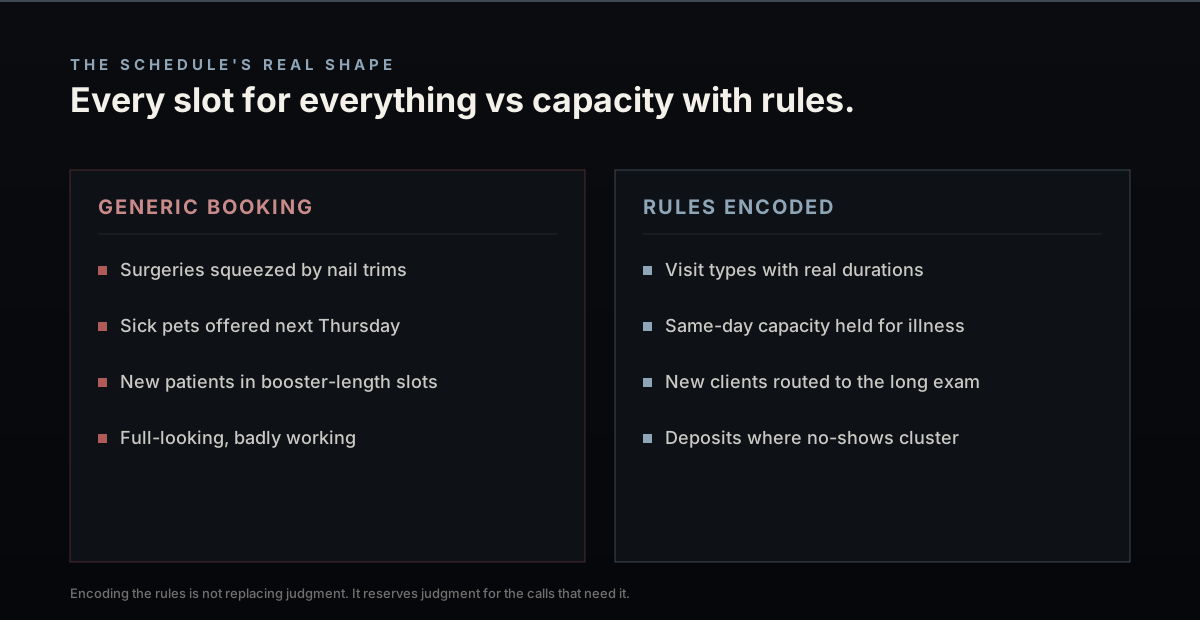
Vet scheduling has real constraints: a new-patient exam is not a booster, a spay consumes surgery capacity, an ill pet needs a same-day slot a wellness visit must not take. A generic booking tool that offers every slot for every reason produces a schedule that looks full and works badly, with surgeries squeezed by nail trims and sick pets told next Thursday.
- Visit types with real durations, mapped to the provider and room they need.:
- Same-day capacity protected for illness, invisible to routine booking.:
- New clients routed to the longer exam with intake forms sent at booking.:
- Deposits on the visit types with the worst no-show history.:
- Species and provider rules honored automatically, not by front-desk memory.:
The front desk can enforce all of this by hand, at the cost of the phone ringing all day. The point of encoding it is not replacing judgment, it is reserving judgment for the calls that need it.
No-Shows and the Deposit Question
The economics mirror every appointment business: a missed surgery slot is unrecoverable capacity at the clinic's highest hourly value. The mechanics that fix attendance elsewhere fix it here, deposits at booking on high-value slots, reminders timed close enough to prompt action, and a waitlist that refills a cancellation automatically. The general case is laid out in the no-shows analysis; veterinary adds only the nuance that the deposit conversation is softer when framed as holding surgical time.
The Record Is the Practice's Value
Practice management systems hold the medical record, and they should. The gap is everything around it: the client communication history, the reminder outcomes, the booking behavior, the lapsed-patient list that marketing never sees because it lives in a clinical database nobody queries. A clinic that can ask which active patients have no future appointment, and act on the answer monthly, grows on care it has already prescribed. That query is the cheapest growth available in the profession, and most clinics cannot run it.