
Booksy is two products under one icon. The first is a booking app: calendar, reminders, prepayments, the standard kit. The second is the one that actually defines it: a marketplace where people searching for a barber or a stylist discover shops they have never heard of. For a new chair with empty slots, that discovery is real revenue that no owned website produces on day one. Any honest comparison starts by granting that.
What the Marketplace Gives
- Demand you did not generate: searchers in your area, shown your chair, today.
- Social proof at the point of decision: reviews and portfolios where the comparison happens.
- A booking habit your clients may already have: the app is on their phone before you are.
- The standard operational kit underneath: reminders, no-show protection, prepayments.
What the Marketplace Is
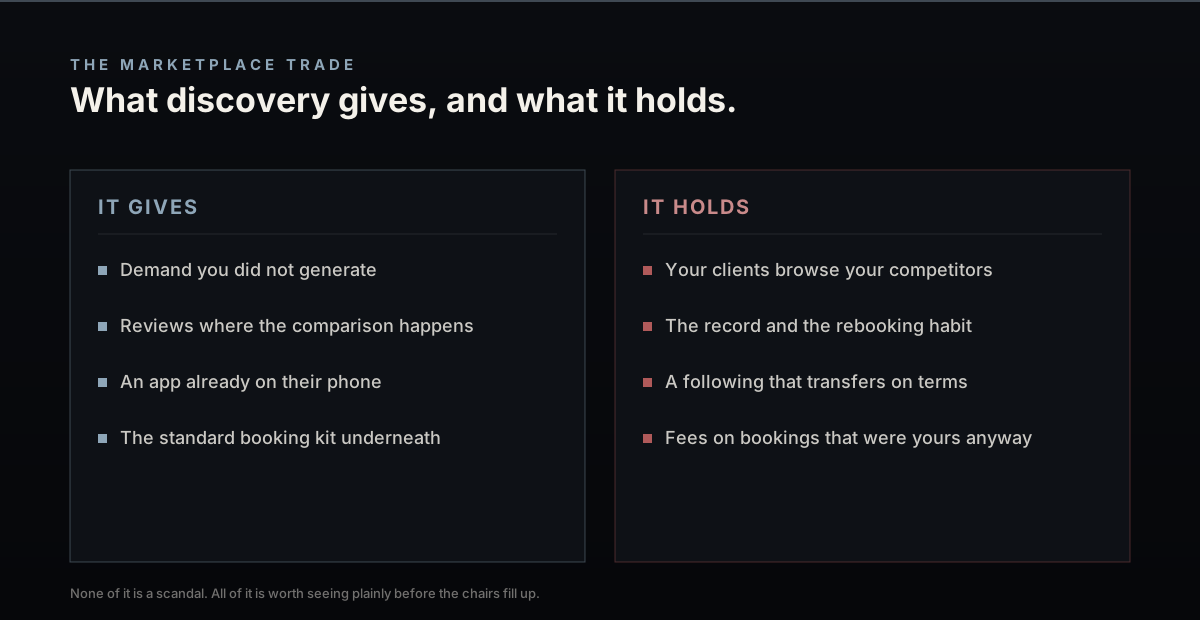
A marketplace's structure is the same in every industry: it aggregates demand, presents the supply side by side, and owns the relationship in the middle. Three consequences follow for a shop, none of them scandals, all of them worth seeing plainly.
Your clients are browsing a directory of your competitors. The same surface that discovered you shows the shop two blocks away with an open slot twenty minutes sooner. Loyalty mediated by a marketplace is loyalty to the marketplace's convenience. Second, the client record, the visit history, the rebooking habit, the reachability, lives in the platform's ecosystem, and a following built there transfers the way a following on any platform does, which is to say partially and on terms. Third, the better your shop does, the more its bookings look like bookings that would have happened anyway, while the fee structure treats them all as marketplace gifts.
The Lifecycle Answer
The two products in the icon suit two moments in a shop's life. Empty chairs: the marketplace's discovery is worth its costs, take the demand and build the book. Full chairs and a following: the calculus inverts, because discovery is no longer the constraint, and the marketplace's remaining function is holding your client relationships between you and them. The shops that handle this well use the marketplace as an acquisition channel and deliberately move the relationship home: their own booking on their own site for the regulars, the client list in a database they own, the rebooking sequences theirs, with the barbershop cluster's deposit-and-waitlist mechanics running on their terms.
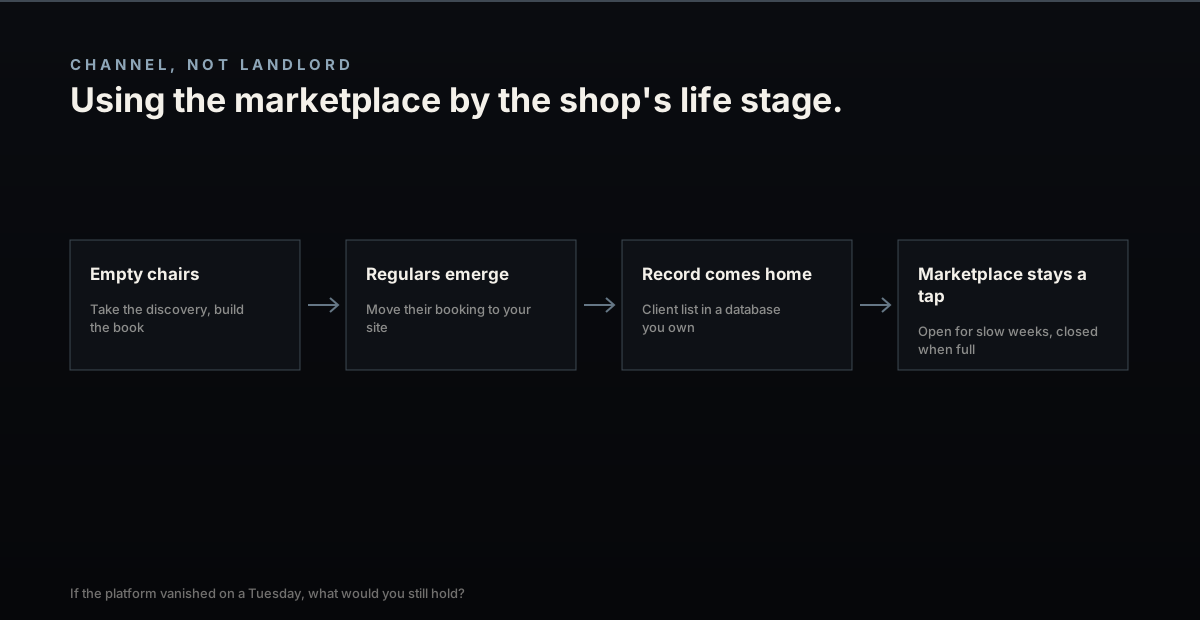
The test is the same one that runs through every ownership article on this blog: if the platform vanished on a Tuesday, what would you still hold? A shop that can answer my clients, my history, my booking page keeps the marketplace as a tap it can open and close. A shop that cannot answer has a landlord.