
Handing over car keys is an act of trust with a deadline attached. The customer has surrendered their mobility, does not know what is wrong, does not know what it will cost, and does not know when it ends. Every hour that passes without information converts that uncertainty into a phone call, and every phone call pulls someone off a repair to say the same sentence: we're still looking at it.
The Phone Is the Symptom
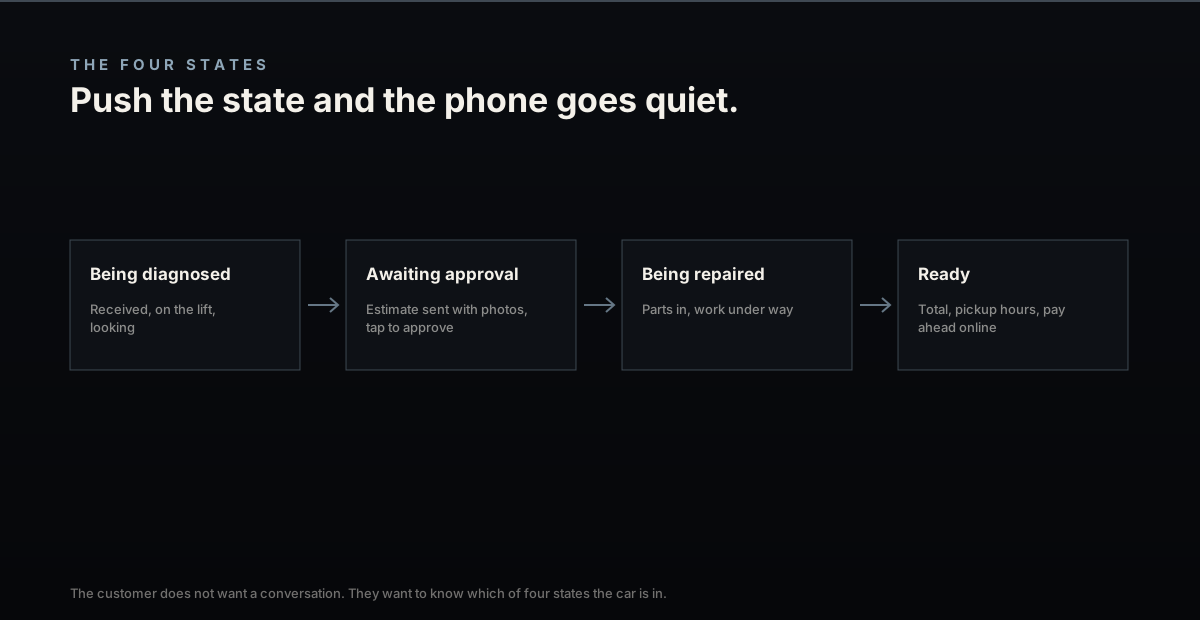
Shops experience the problem as phone volume, and hire front-desk time to absorb it. The actual problem is an information vacuum. The customer does not want a conversation, they want to know which of four states their car is in: being diagnosed, waiting on their approval, being repaired, or ready. Push those four states as they change and the where-is-my-car call mostly stops existing.
Approval Is Where the Day Dies
The most expensive wait in the shop is not parts. It is the car on the lift while someone plays phone tag for authorization. The customer is at work, misses the call, calls back at lunch, the advisor is with someone, and a bay has produced nothing all morning.
A digital approval closes the loop in minutes instead of hours: the estimate arrives as a link, with photos of the worn pad and the leaking gasket, itemized, tappable to approve in the elevator. The photos matter beyond speed. An approval given while looking at the evidence is trust built, and declined work documented with photos is the comeback conversation already answered.
- Estimate sent as a link, itemized, with photos of the actual parts.:
- Approve or decline per line item, from a phone, in seconds.:
- Declined items recorded with evidence, feeding next visit's conversation.:
- The bay resumes the moment the tap happens, not the callback.:
Booking and the Bay Schedule
Repair scheduling is capacity math wearing a calendar costume: bays, lifts, technician skills, and parts arrival all constrain what a day can hold. Online booking that ignores those constraints overbooks Mondays and produces the lobby full of dropped-off cars that cannot be started. Booking that models them, drop-off versus wait, diagnostic versus known job, loaner availability, fills the shop at the rate the shop can actually move. The mechanics are the resource-reservation problem covered across the booking cluster, with the wrinkle that the diagnosis step means scope is unknown at booking time.
The History That Prints Money Quietly
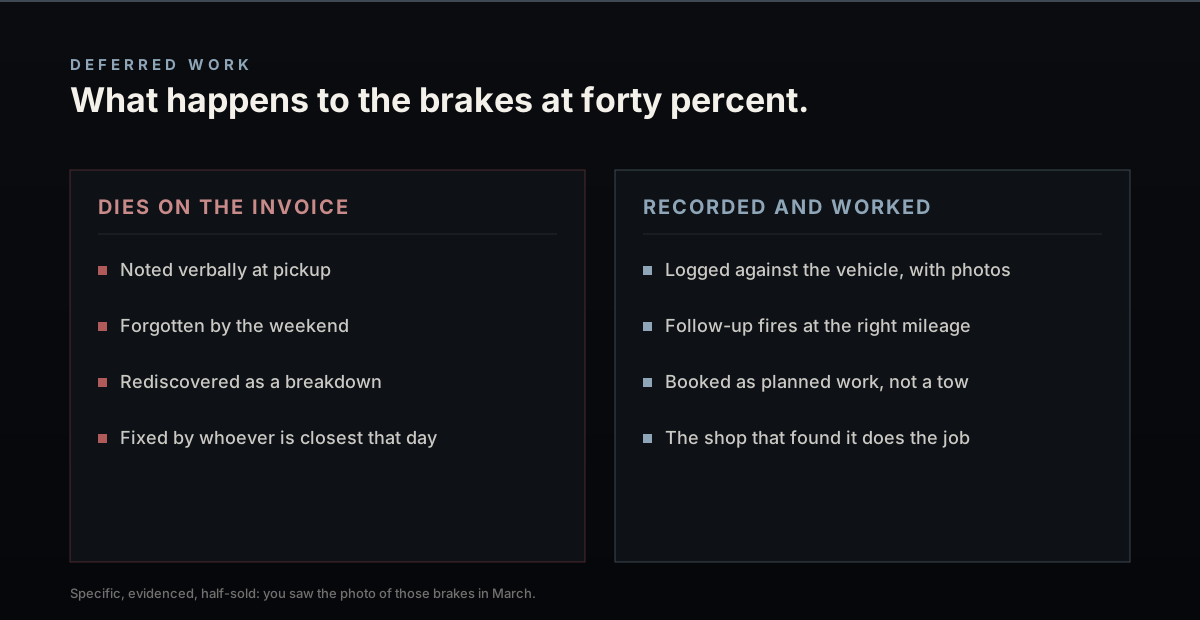
Every inspection generates deferred work: the brakes at forty percent, the tires that will not pass next inspection, the timing belt due in ten thousand miles. In most shops that intelligence dies on the invoice. Recorded against the vehicle and fed into a follow-up sequence, it becomes the highest-converting outreach a shop can send, because it is specific, evidenced, and already half-sold: you saw the photo of those brakes in March.
Add the boring anchors, inspection and registration reminders, seasonal tire changeovers where climate makes them ritual, and the shop stops depending on breakdown luck for volume. The shops that feel busy all year are not luckier. They are re-invited into the calendar by their own records.