
Solar sits at a brutal intersection: leads that cost more than almost any other home service, sold to homeowners making a five-figure decision they can defer indefinitely. Nothing forces the purchase this month. The roof works either way. Which means the sale is rarely won at first contact, and an installer whose process assumes it will be is paying premium prices for leads it then abandons at precisely the moment they get expensive to have wasted.
The Shape of the Solar Decision
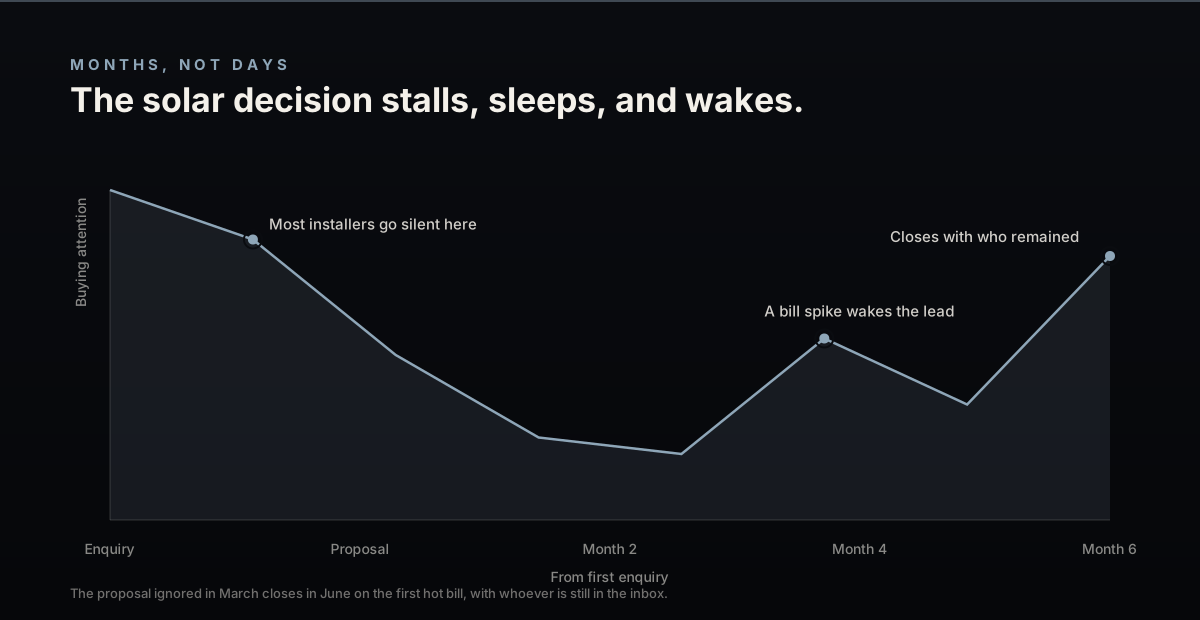
A homeowner who requests a solar quote is starting a research project, not a purchase. They will collect proposals, disbelieve the savings math, ask a neighbor, stall at the financing, and revisit the whole idea when the next electric bill spikes. The window from first inquiry to signed contract routinely runs months, and the installer who is still present in month three is usually one of two, not one of five. Most of the field eliminated itself by going silent after the proposal.
That is the strategic fact of the trade: persistence is not a sales tactic here, it is the qualifying condition. The proposal that was ignored in March closes in June on the first hot bill, and it closes with whoever is still in the inbox.
Speed First, Then Stamina
- The first contact still decides who gets the appointment: minutes matter on the day the homeowner is actively looking.
- The proposal follows the site assessment within days, while the conversation is warm.:
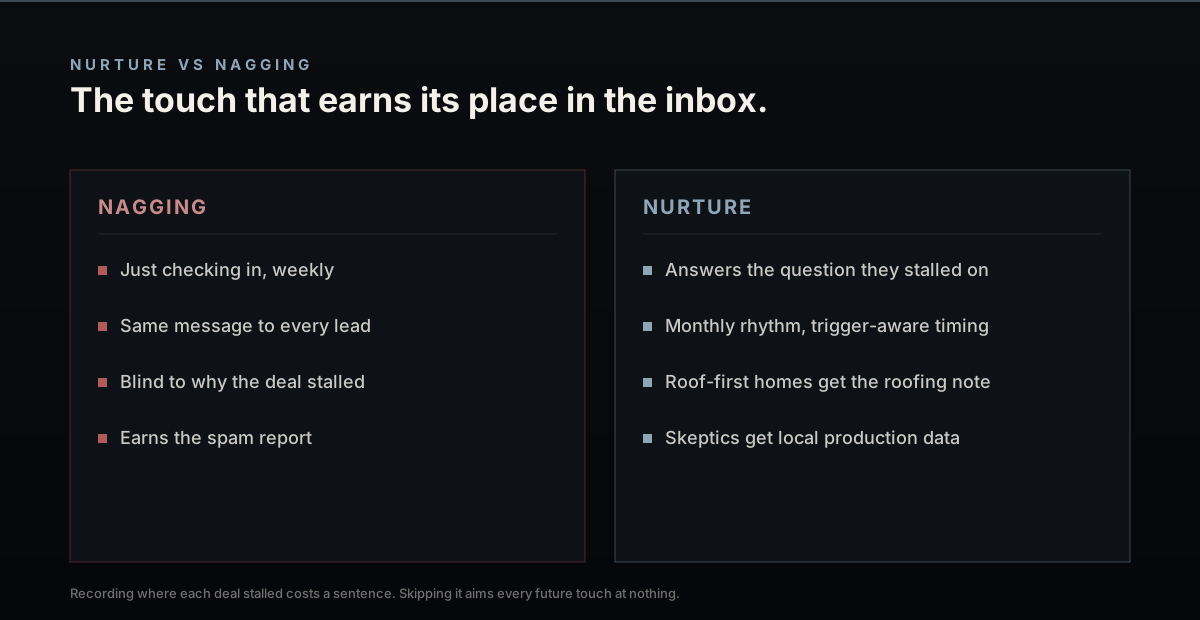
- Then the long game: useful touches on a monthly rhythm, not weekly pressure that earns a spam report.
- Trigger-aware timing where possible: seasonal bill spikes and rate-increase news are the moments dormant leads wake up.
The content of the touches is what separates nurture from nagging. A checking-in email is a cost to the reader. A note that answers the question they are actually stuck on, what happens on cloudy days, how the tax credit files, what the neighbor's system produced in January, earns its place in the inbox and positions the installer as the one who explains rather than the one who pressures.
The Objection Ledger
Every stalled solar deal stalls somewhere specific: the payback math felt optimistic, the spouse is not convinced, the roof needs work first, the HOA letter never got written. A CRM that records where each deal actually stopped turns the nurture from generic to surgical, the roof-first households get a note when the roofing partnership launches, the payback skeptics get the production data from a local install. Recording the objection costs a sentence at the time. Not recording it means every future touch is aimed at nothing.
After the Install, the Lead Machine Inverts
A completed installation is the cheapest lead source the company will ever have, twice over. The production data feeds the proposals that skeptics currently disbelieve: real output, real bills, from a real address nearby. And the homeowner who just watched their meter run backward is, for about ninety days, the most enthusiastic advocate they will ever be. A referral ask timed to the first full production month, with the summary attached, converts enthusiasm while it exists. The installers that grow compound this: every install makes the next sale easier, because the evidence library and the referral network are the same database, kept.