
An electrical contractor's week is a mix of service calls that close same-day and projects that stretch across quotes, permits, inspections, and phased invoices. The service side has the same physics as any trade: answer fast, dispatch smart. The project side is where electrical is different, because a panel upgrade or an EV charger install is a multi-stage sale with paperwork gates, and each gate is a place the job can quietly stall.
Where Project Revenue Stalls
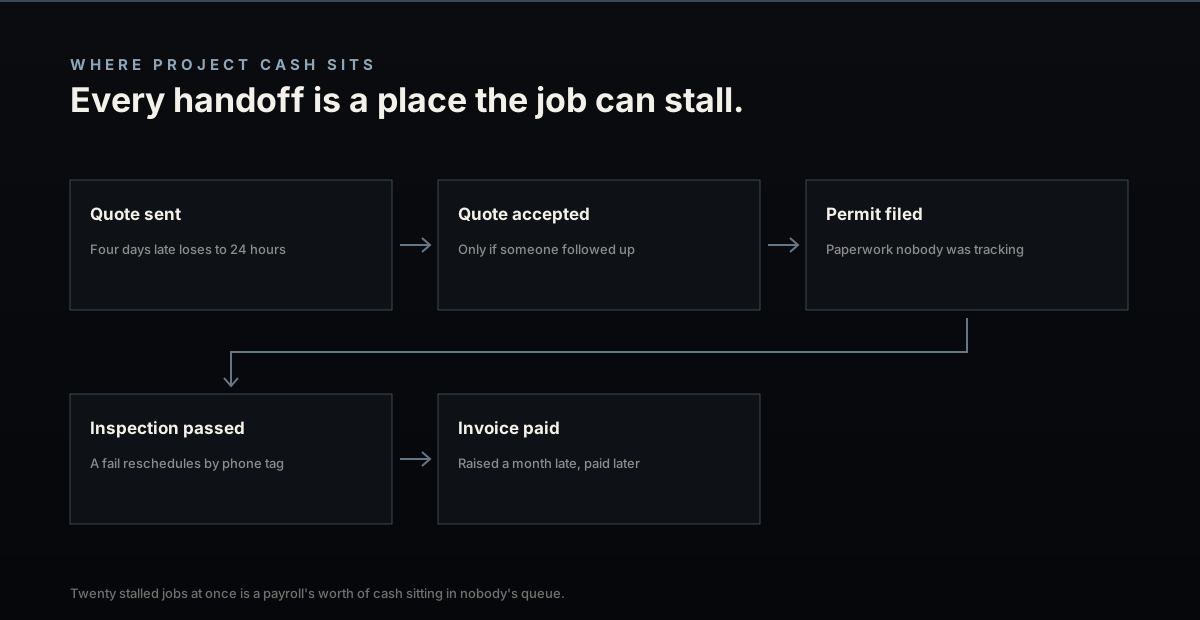
- The quote that took four days to send. The homeowner got two others in 24 hours, and momentum is a real force in a considered purchase.:
- The quote that was sent and never chased. Electrical quotes are large enough to think about, which means large enough to forget about.:
- The permit waiting on paperwork nobody was tracking, with a customer who reads silence as being forgotten.:
- The inspection that failed on a detail, rescheduled by phone tag over two weeks.:
- The final invoice raised a month after the final fix, because invoicing waits for whoever does invoicing.:
None of these are electrical problems. They are state-tracking problems: a job has a current stage, the stage has a next action, and the next action has an owner. When that state lives in a whiteboard and a foreman's head, every stall is invisible until the customer calls angry, and the cash tied up across twenty stalled jobs is the size of a payroll.
The Quote Engine Matters More Than the Brand
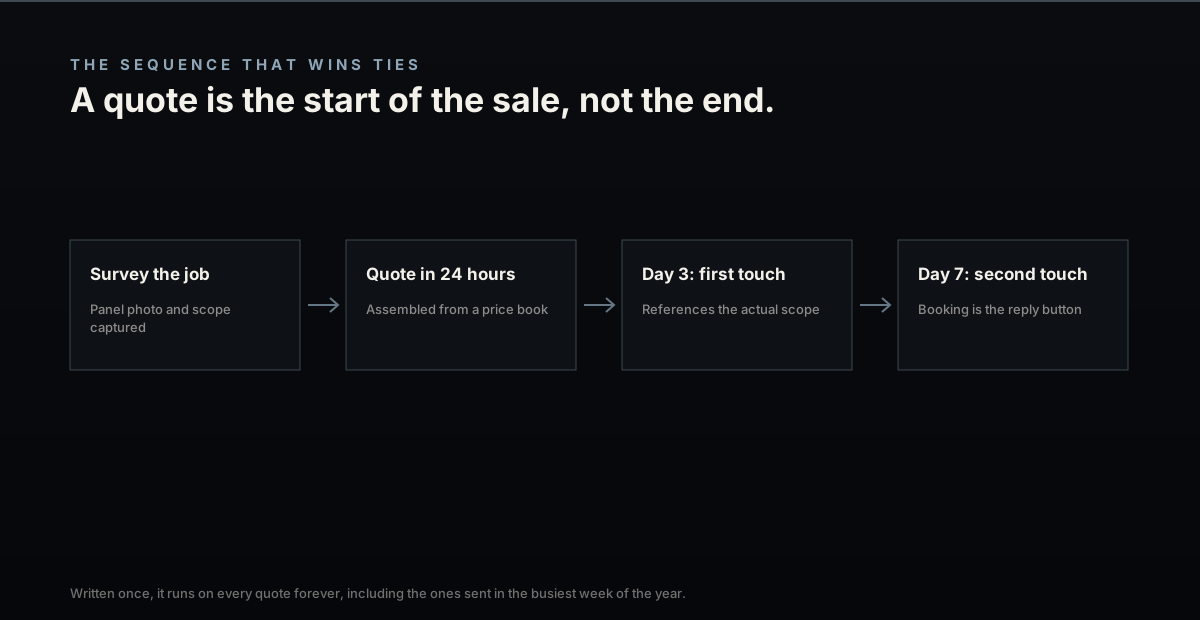
Speed to quote is the electrical version of speed to lead. The shop that surveys, prices from a real price book, and delivers a clean written quote within a day wins against better-known competitors who take a week. That requires pricing rules that live in software, not in the estimator's experience, so a quote is assembled instead of composed.
Then the sequence: a follow-up at three days and a week, referencing the actual scope, with booking as the reply. Written once, it runs on every quote forever. The trades that do this convert quotes nobody else even remembers sending.
EV Chargers Changed the Inquiry Mix
A growing share of electrical inquiries now starts with a product question: can my panel take a charger, what will it cost, how long does it take. These are exactly the questions a website can answer before the phone rings, and the contractor whose site answers them collects the inquiry while the competitor's brochure site collects a bounce. A page that explains panel capacity honestly, with a range and the variables named, is a lead filter that works while you sleep.
The same page structure serves generators, panel upgrades, and lighting retrofits: one page per job type, the customer's questions answered plainly, photos of real local work, and an intake that captures the address and panel photo so the first call is a quote conversation instead of a discovery call.
The Stack That Fits
Buy the field service platform for scheduling and invoicing. Build the parts that carry your margin: an intake that turns product questions into surveyable inquiries, a quote pipeline with stages and owners so nothing stalls unseen, the follow-up automation, and a customer record that keeps the panel details for the day the same house needs a charger, a generator, or a hot tub circuit. The contractor who knows what is in the panel owns the next job by default.