
Every accounting firm knows its constraint: there are only so many preparer hours between January and April, and demand for them arrives all at once. What fewer firms see clearly is where those hours actually go. A meaningful share is not spent preparing anything. It is spent asking clients for the same documents a third time, answering where-is-my-return emails, and re-keying information the client already typed somewhere.
The Seasonal Wall Is Partly Self-Built
The January crunch is real, but its height is a function of process. A firm that collects documents through an inbox spends the season doing archaeology: which attachment was the 1099, which client sent a photo of a W-2 with a thumb over the numbers, who never replied at all. Each incomplete file becomes a stalled return, and each stalled return generates the status-check email that interrupts the preparer who could be finishing it.
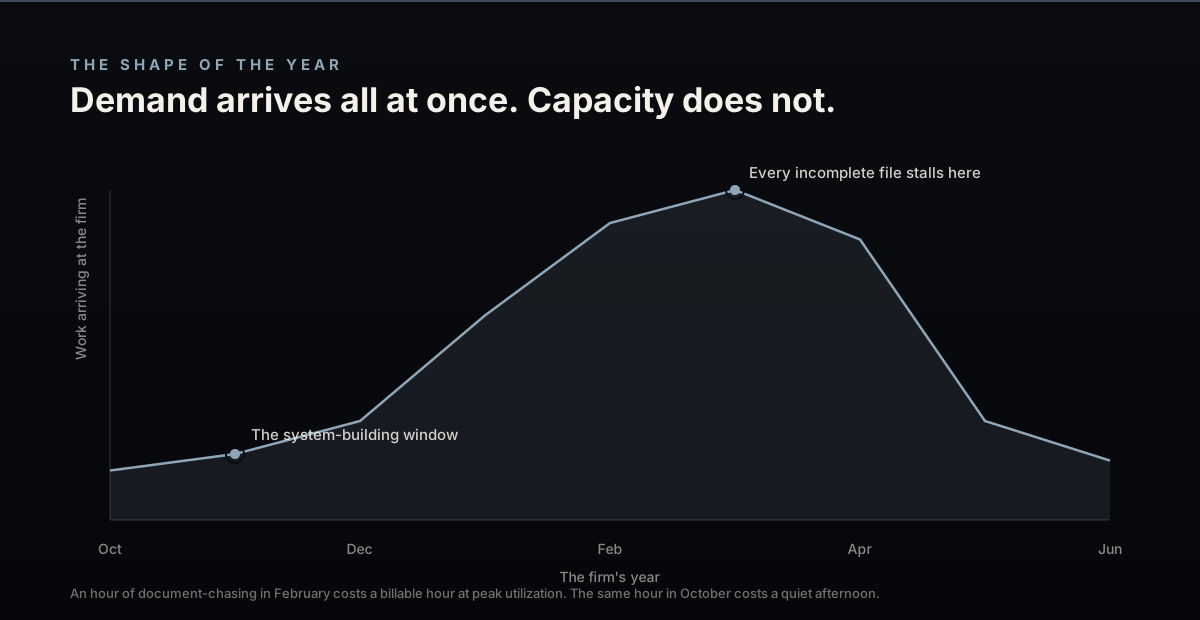
The compounding trick is that the chase happens during the exact weeks when hours are scarcest. An hour of document-chasing in February costs a billable hour at the year's highest utilization. The same hour of system-building in October costs a quiet afternoon.
What Structured Intake Changes
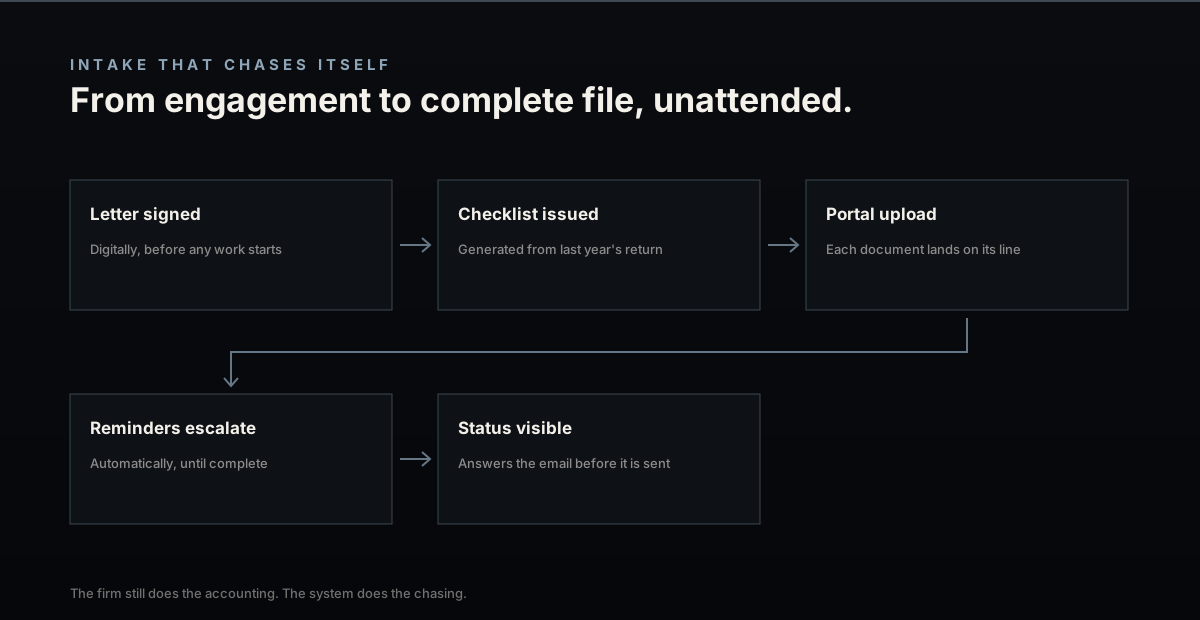
- A checklist per client, generated from last year's return, so the request is specific instead of send us everything.:
- One upload portal instead of an inbox, with each document landing against its checklist line.:
- Automatic reminders that escalate politely until the file is complete, without a person drafting them.:
- A status page that answers where-is-my-return before the email is written.:
- Engagement letters signed digitally at the start, because unbilled work that started early is a collections problem in June.:
None of this is exotic. It is the same intake discipline covered in the speed-to-lead analysis, applied to a trade where the inquiry is a folder of paperwork. The firm still does the accounting. The system does the chasing.
New Clients Are Won in the Off-Season
A business owner shopping for a new accountant does it in the quiet months, after a painful season with the old one. The firm that responds within a day, books the consultation into a real calendar, and arrives having already reviewed the prospect's situation wins against firms with better credentials and slower intake. Professional services buyers read responsiveness as competence, because it is the only signal they can evaluate before the work starts.
The website's job is the same filtering work as in any considered purchase: name who the firm serves, answer the fee question with a structure even if not a number, and make the consultation bookable on the spot. A firm site that lists services and ends with a contact form is delegating its intake to whoever checks that inbox.
The Record That Makes Next Year Cheaper
A client's file is an asset that appreciates if it is kept structured: entities, deadlines, prior-year documents, the notes about what this client always forgets. Held in a real system, next January's checklist writes itself and a new team member can serve an old client without a handover meeting. Held in an inbox and a shared drive, the firm re-learns every client every year, and pays for the lesson in February hours.