
Nobody researches a plumber for fun, but everybody researches dinner. The look-up happens standing on a sidewalk or sitting on a couch, on a phone, minutes before the decision. For a restaurant, the website is not a marketing asset that supports the business. It is a step in the purchase itself, and a failure in that step costs covers the same night.
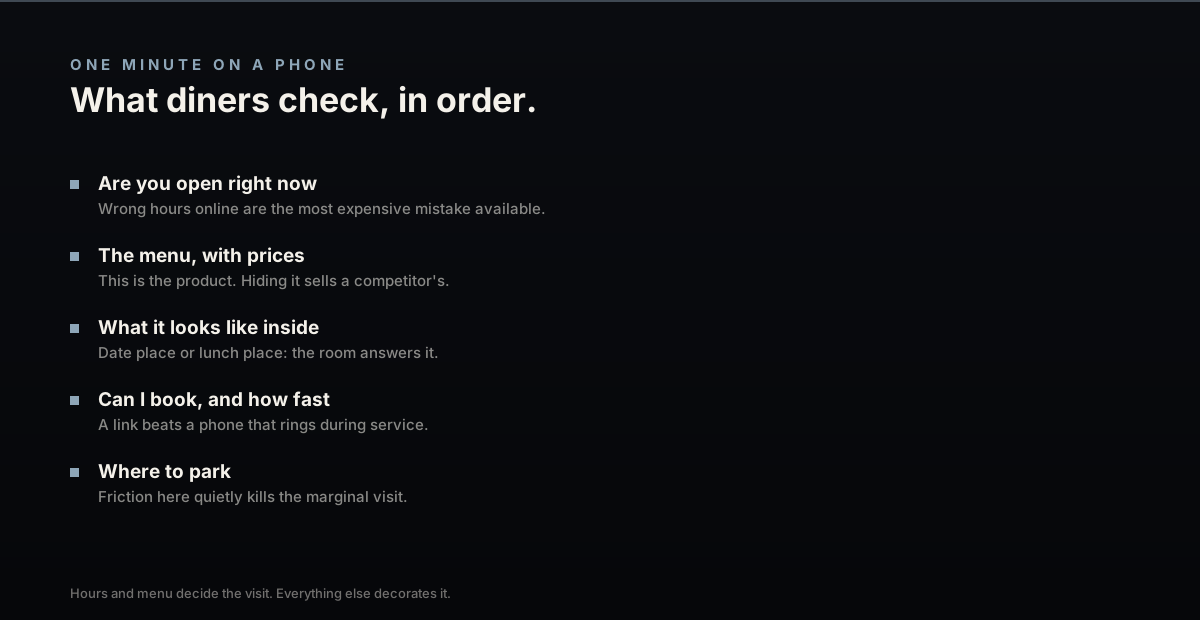
What Diners Check, in Order
- Are you open right now. Wrong hours online are the most expensive single mistake a restaurant can make.:
- The menu, with prices. This is the product. Hiding it loses the sale to a competitor who shows theirs.:
- What it looks like inside. The room answers the question the menu cannot: is this a date place or a lunch place.
- Can I book, and how fast. A reservation link beats a phone number that rings during service.:
- Where you are and where to park. Friction here quietly kills marginal visits.:
Every one of those checks happens in under a minute, and the site either answers or the thumb moves on. The order matters too: hours and menu decide the visit, everything else decorates it.
The PDF Menu Is a Self-Inflicted Wound
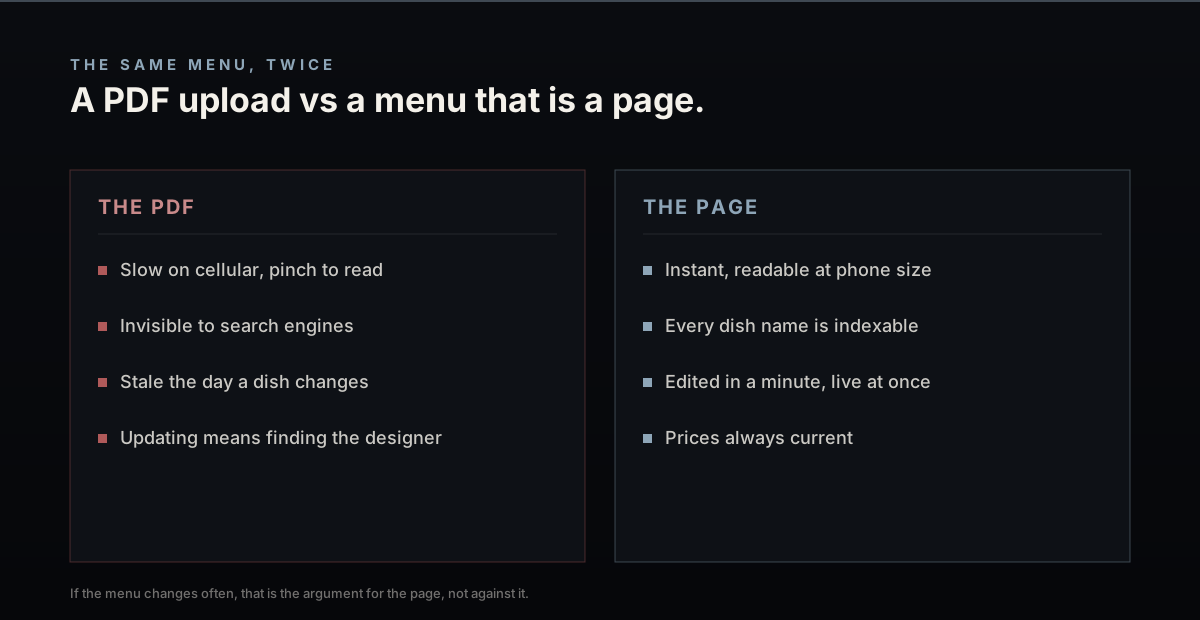
A menu uploaded as a PDF fails on every axis that matters. It loads slowly on cellular, renders as a postage stamp that needs pinching and zooming, cannot be read by search engines as menu content, and goes stale the moment the kitchen changes a dish, because updating it means finding whoever has the design file.
A menu as a real page costs nothing more and fixes all of it: instant to load, readable at phone size, indexable for every dish name someone might search, and editable in a minute when the sea bass changes. If the menu changes often, that is the argument for the page, not against it.
Hours Live in Four Places and Disagree in Two
The site, the business profile, the reservation platform, and the delivery apps each hold opening hours, and holiday weekends expose every mismatch. A diner who drives to a closed restaurant does not blame the data. They remember the closed door. The fix is ownership: one source of truth, and a habit or an automation that pushes changes everywhere the hours appear. This is the least glamorous work in hospitality and it protects more revenue than most menu redesigns.
Search Is Local and the Map Wins
Restaurant discovery runs through the map pack more than any other trade, which makes the business profile, the photo flow, and review velocity the visibility engine, with the site as the destination that closes what the map opens. The mechanics are the same ones covered in the local search work: accurate categories, a steady flow of recent reviews, and photos that look like tonight rather than the opening five years ago.
None of this requires an expensive rebuild. A fast site with real hours, a real menu, a booking path, and a tended profile puts a restaurant ahead of most of its street. The bar is low because everyone assumes the website does not matter, while their customers decide with their thumbs every night.